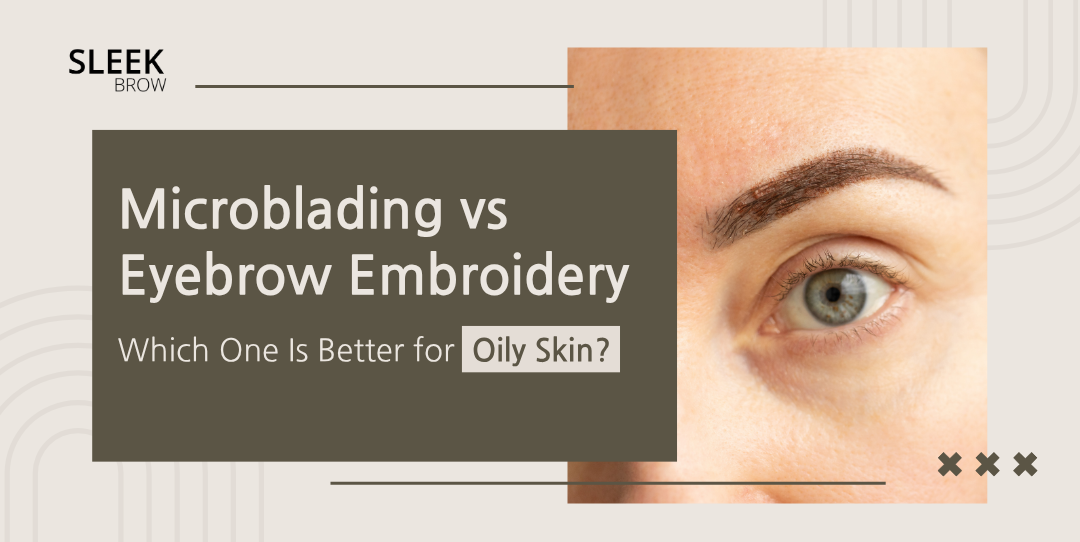
Oily skin requires careful consideration when it comes to semi-permanent brows.
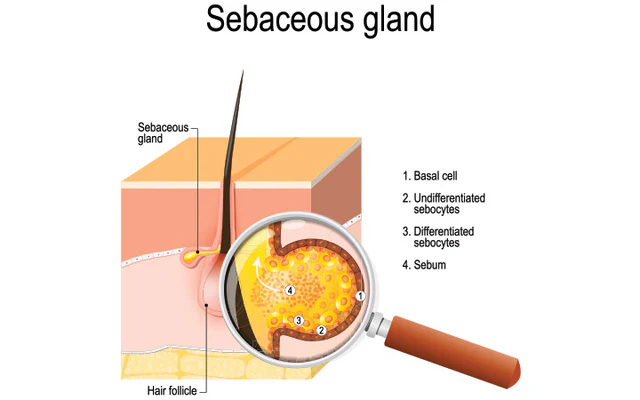
Excess sebum affects pigment retention and can influence the final results.
When evaluating eyebrow embroidery (Misty / AirStroke) vs microblading, understanding how your skin type interacts with each technique is essential to achieving long-lasting, defined brows.
From pigment retention to healing outcomes, your skin type significantly determines how your brows will ultimately look and last.
This guide provides a step-by-step overview to ensure your first appointment is predictable, professional, and stress-free.
Why Oily Skin Makes a Difference
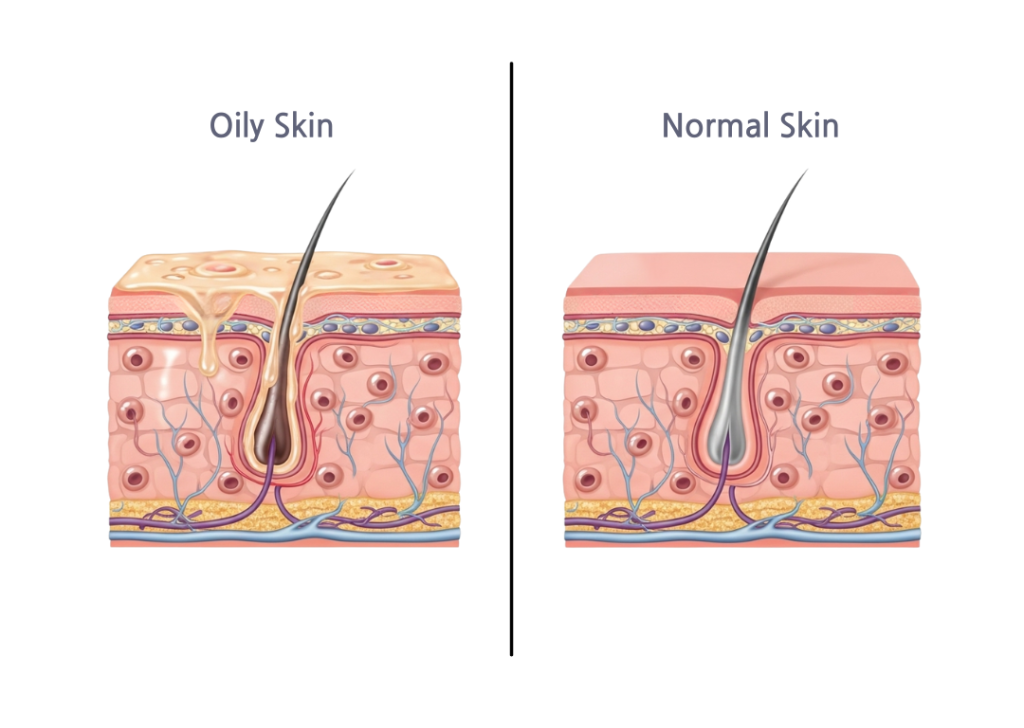
Excess sebum can:
- Push pigment toward the surface, causing premature fading
- Interfere with pigment absorption
- Blur microbladed strokes within weeks
Dermatology experts note that oily skin typically shortens pigment lifespan from 18 months to about 6 to 12 months.
Semi-permanent brows are not one-size-fits-all.
Skin type is a determining factor between long-lasting, defined brows and pigment that fades prematurely or unevenly.
Oily skin affects how pigment embeds and how the brows heal, making careful selection of technique critical.
Oily skin produces higher levels of sebum, which interferes with pigment retention (Healthline).
For normal skin, semi-permanent pigment typically lasts 12 to 18 months.
On oily skin, this can reduce to 6 to 12 months, and in some cases even shorter.
This makes skin type a critical consideration when comparing eyebrow embroidery (Misty / AirStroke) vs microblading.
How Microblading Reacts on Oily Skin
How it works: Creates individual hair strokes with fine incisions.
Challenges:
- Strokes may merge or blur quickly
- Uneven pigment absorption
- Frequent touch-ups needed
Many artists avoid full microblading for very oily clients due to unpredictable retention.
While effective for normal skin, oily skin presents challenges that can compromise clarity and longevity.
In oily skin, sebum can penetrate the micro-cuts and disrupt pigment placement, reducing precision.
How Eyebrow Embroidery (Misty/ Airstroke) Performs on Oily Skin
How it works: Deposits pigment via gentle shading or stippling.
Advantages:
- Even color distribution
- Less risk of blurred strokes
- Natural “powder effect” finish
- Retains color longer on oily skin
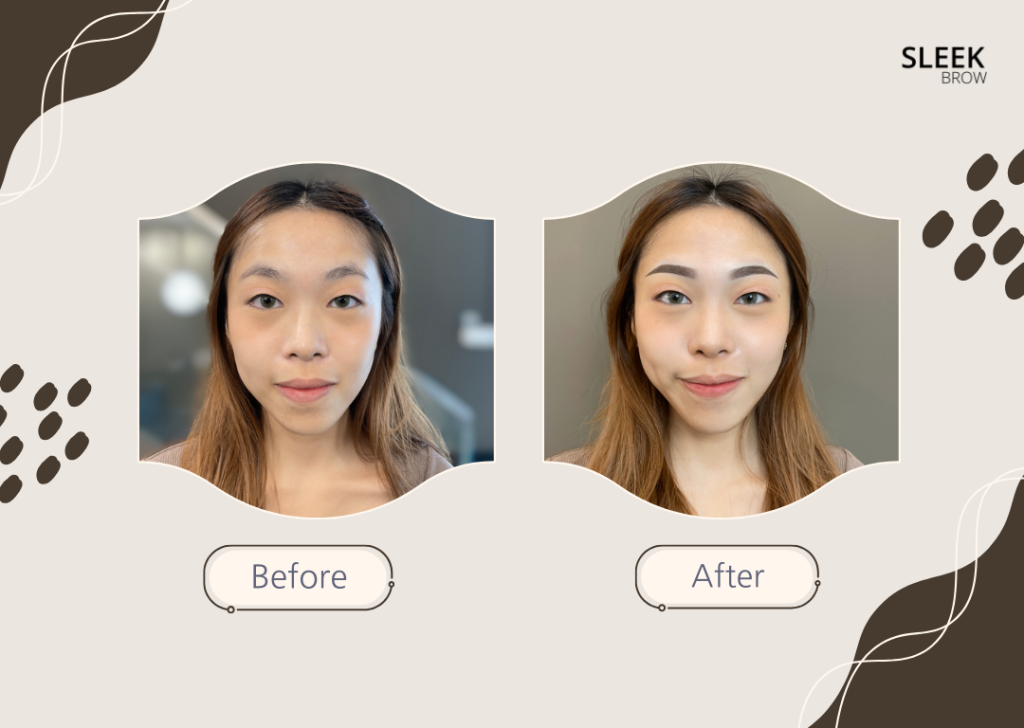
When comparing eyebrow embroidery (Misty / AirStroke) vs microblading, embroidery demonstrates superior retention and a more consistent appearance for oily skin.
Even as pigment naturally fades, the brows maintain a soft, flattering look.
Experienced artists frequently recommend embroidery for oily skin, and clinical retention rates confirm the effectiveness.
Expert Recommendation: The Best Choice for Oily Skin
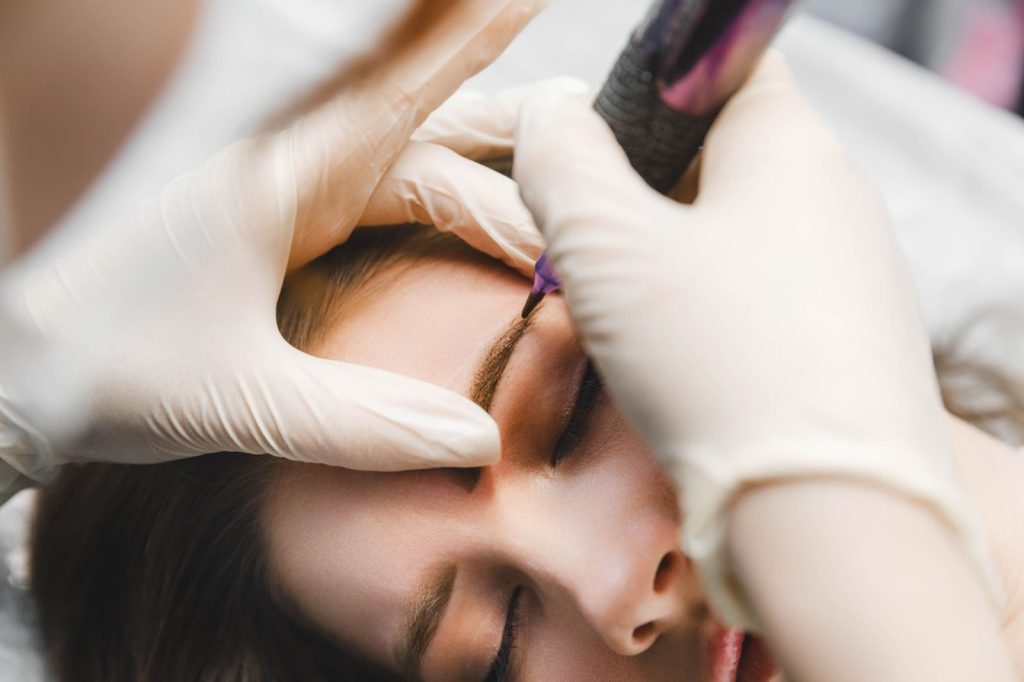
For oily skin, embroidery (Misty / AirStroke) or hybrid brows outperform microblading.
Hybrid techniques combine embroidery shading with selective microblading strokes for natural texture and stable color.
The shaded base anchors pigment, allowing brows to fade evenly while maintaining structure.
Pure microblading carries higher risk on oily skin due to faster fading and potential blurring.
Embroidery-based and hybrid techniques work with the skin’s natural characteristics to produce results that fade gracefully and remain polished over time.

Aftercare Tips for Oily Skin
Proper aftercare is essential to maintain pigment retention and achieve the best results.
Oily skin requires a more disciplined approach than normal skin.
10-Day Healing Rules:
- Keep brows dry; avoid sweating, steam, or heavy cleansing
- Gently blot if wet; do not rub
- Avoid oil-based skincare near brows
- Use only prescribed ointments
- Refrain from intense exercise for two weeks post-procedure
Long-Term Maintenance:
- Applying oil-control products to the forehead and T-zone
- Blotting excess oil during the day as needed
- Considering a mattifying primer near the brow area
- Avoiding retinol or AHAs directly on brows
- Use oil-free cleansers
- Protect from direct sun exposure
Adhering to these guidelines minimizes the impact of sebum and extends pigment longevity.
Aftercare is critical when choosing between eyebrow embroidery (Misty / AirStroke) vs microblading, especially for oily skin.
How Often to Touch Up Oily Skin Brows
| Skin Type | First Touch-Up | Next Maintenance | Notes |
| Oily | 6 to 8 weeks | Every 6 to 9 months | Annual maintenance: At least once a year |
| Normal | 6 to 8 weeks | Every 12 to 18 months | Longer retention |
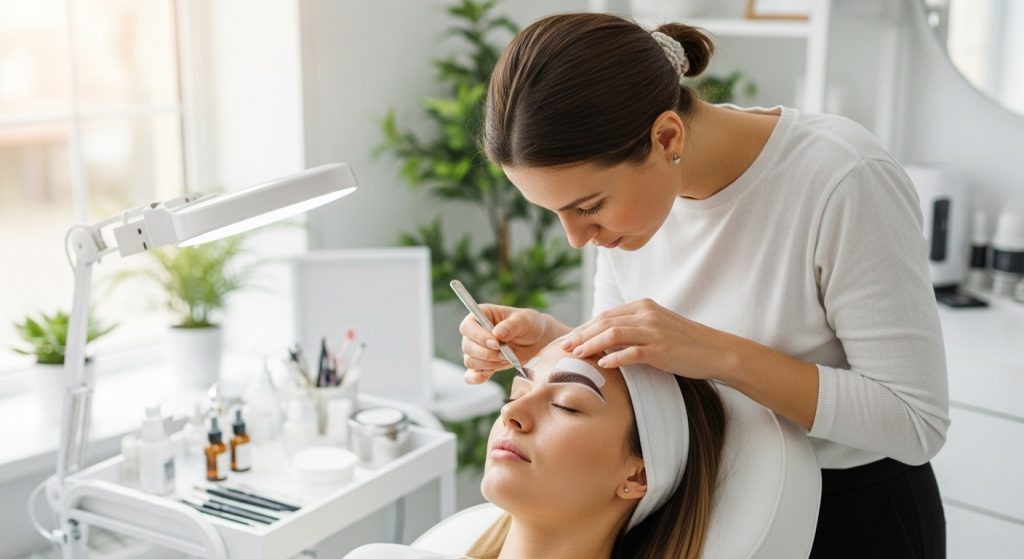
Regular maintenance is essential for consistent results and long-term appearance.
Some oily skin types may require touch-ups every 4 to 6 months, while others can extend intervals with diligent aftercare.
Following these protocols can reduce the need for frequent appointments.
Compared to microblading, embroidery (Misty / AirStroke) typically requires fewer touch-ups, offering long-term cost efficiency.
Making the Right Choice for Your Skin Type
Selecting the right brow technique for oily skin is crucial for achieving lasting, defined results.
Oily skin affects pigment retention, healing, and the clarity of fine strokes, making pure microblading a less predictable option.
Eyebrow embroidery (Misty / AirStroke) or hybrid techniques, on the other hand, work with your skin’s natural characteristics.
They offer softer shading, better color retention, and a polished look that fades gracefully rather than unevenly.
By understanding your skin type, following strict aftercare, and choosing the technique designed for oily skin, you can enjoy brows that remain beautiful, structured, and long-lasting.
For a deeper dive into eyebrow embroidery (Misty / AirStroke), from the process to studio recommendations, check out The Complete Guide to Eyebrow Embroidery in Singapore (2025 Edition).
With embroidery-based methods, you invest in results that are professional, reliable, and flattering, every time.
For more information on techniques and expert advice, visit SleekBrow to explore services tailored for your skin type.
FAQs
Can microblading work on oily skin at all?
Yes, but it fades faster and blurs more easily. Touch-ups are needed more often.
Is the healing process different for oily skin?
Healing time is the same, but stricter aftercare is necessary to manage oil and protect pigment.
Will oil-control products affect my brow pigment?
Ingredients such as salicylic acid or strong retinoids may accelerate pigment fading if applied directly to the brow area. They can be safely used on the T-zone.
Should I stop my skincare routine before getting brows done?
Avoid retinol, AHAs, and vitamin C around brows for at least two weeks prior to the procedure. These products can thin skin and affect pigment retention.
Can oily skin be made less oily before the procedure?
Sebum production cannot be fundamentally altered, but consistent oil-control routines and strict aftercare can optimize results. Focus on maintenance rather than attempting to “fix” skin type.